







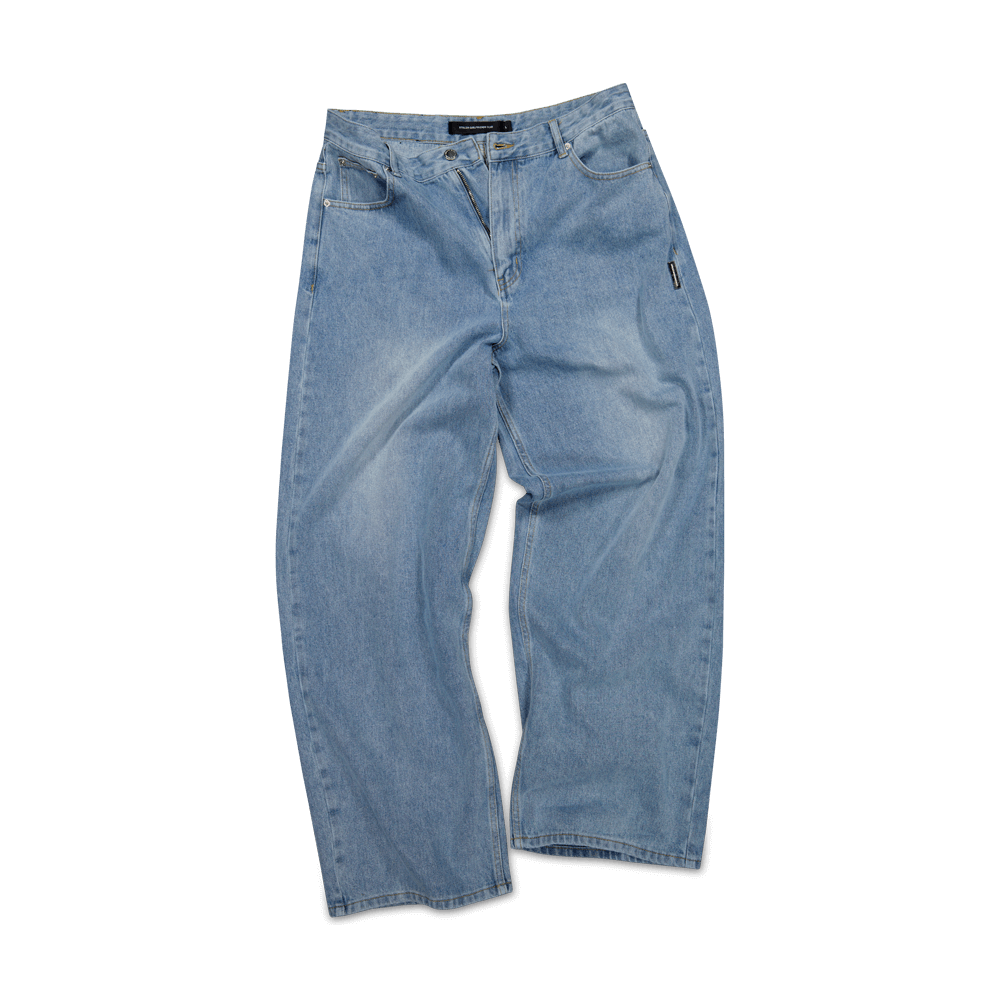
Ready for consistent,
high-quality
product imagery?
Contact today to discuss how we can help transform your ecommerce content and boost your conversion rates.

People have always relied on product detail pages to help them decide what to buy. They look through the images, read the specifications, watch a video and work out whether the product is right for them.
That process is changing.
Shoppers are starting to use AI assistants to search for products, compare options and narrow down their choices. Instead of typing "wireless headphones" into a search bar, someone might ask for a pair under a certain price, with strong noise cancellation, a comfortable fit and enough battery life for regular travel.
The assistant can research the options and recommend products that best match the brief.
This is part of the move towards agentic commerce, where AI supports more of the shopping journey, from discovery and comparison through to purchase.
For brands, it creates a new challenge. Product content must give shoppers, marketplaces and AI systems enough information to understand exactly what is being sold.

ChatGPT is already developing richer product discovery and comparison experiences using merchant and product information. Shopify is making products available across AI channels through its agentic storefronts, while Adobe Commerce, formerly Magento, is supporting technology that allows AI shopping tools to access merchant catalogues.
AI assistants such as Claude are also changing the way people research and compare products, even where direct purchasing is not yet part of the experience.
These developments are moving quickly, but the principle behind them is straightforward. Complete, accurate and well organised product information makes a product easier to find and understand.
Much of today's AI product discovery relies on structured data such as product titles, descriptions, specifications, pricing and availability. Once a product has been recommended, however, the customer still needs to feel confident enough to buy it.
That is where imagery and video continue to play an essential role.
A good product detail page should help someone understand the product without being able to see, touch or try it in person.
That does not mean creating every possible type of content for every product. It means identifying the questions a customer is likely to have and creating the right assets to answer them.
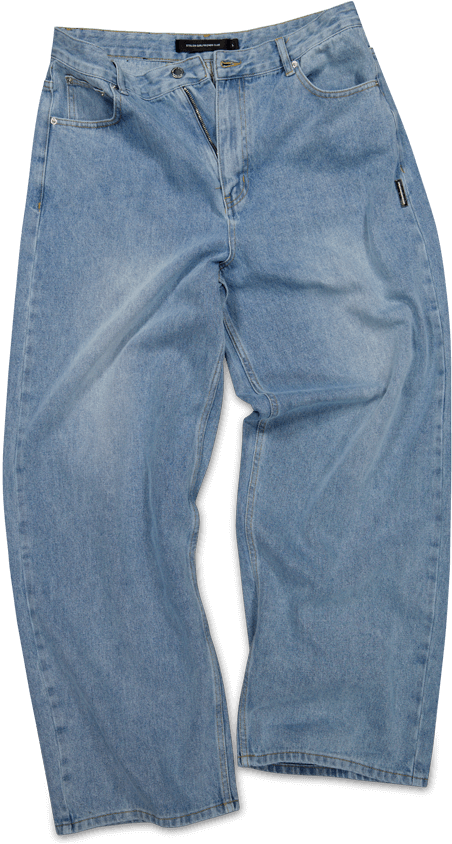
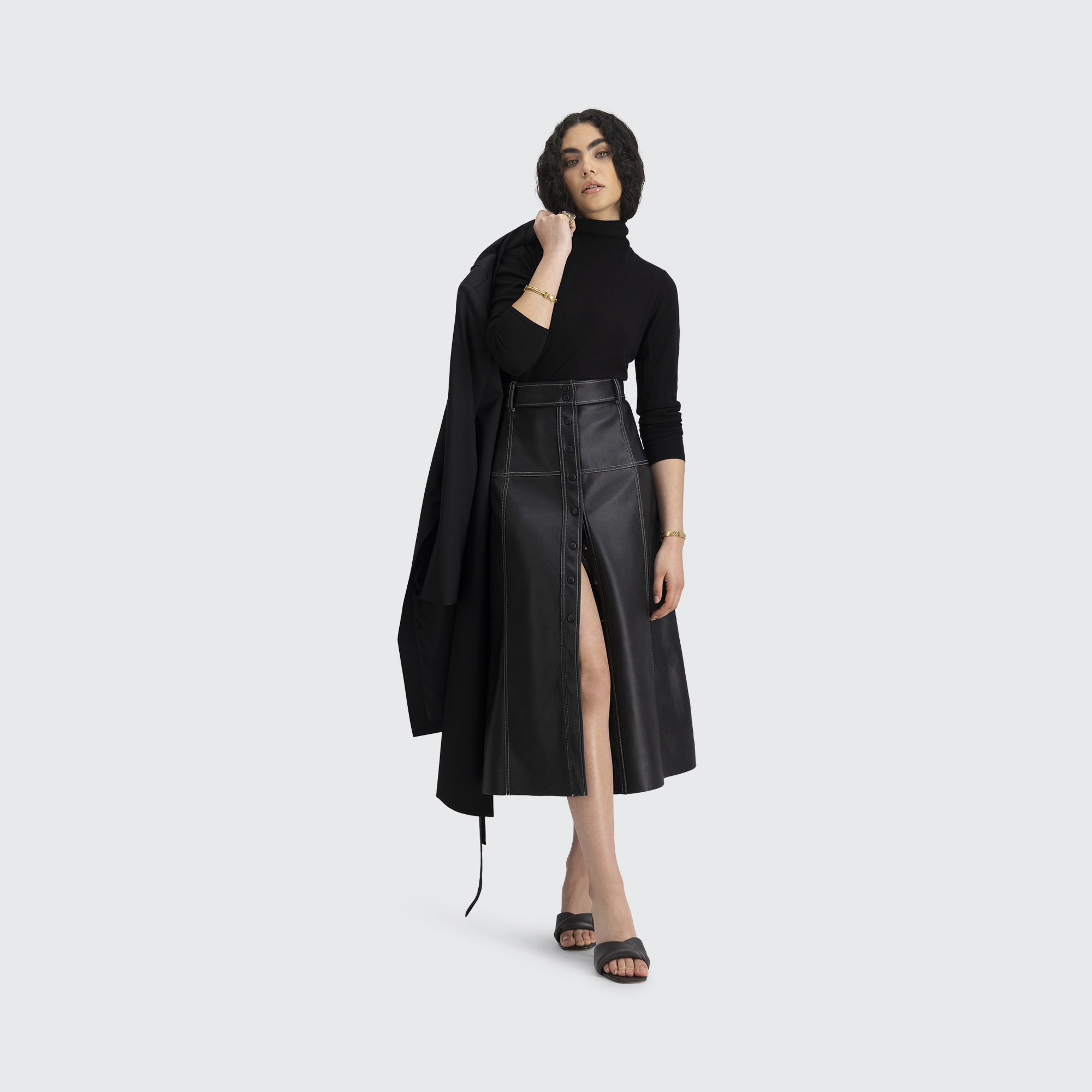
For fashion and accessories, this might include:
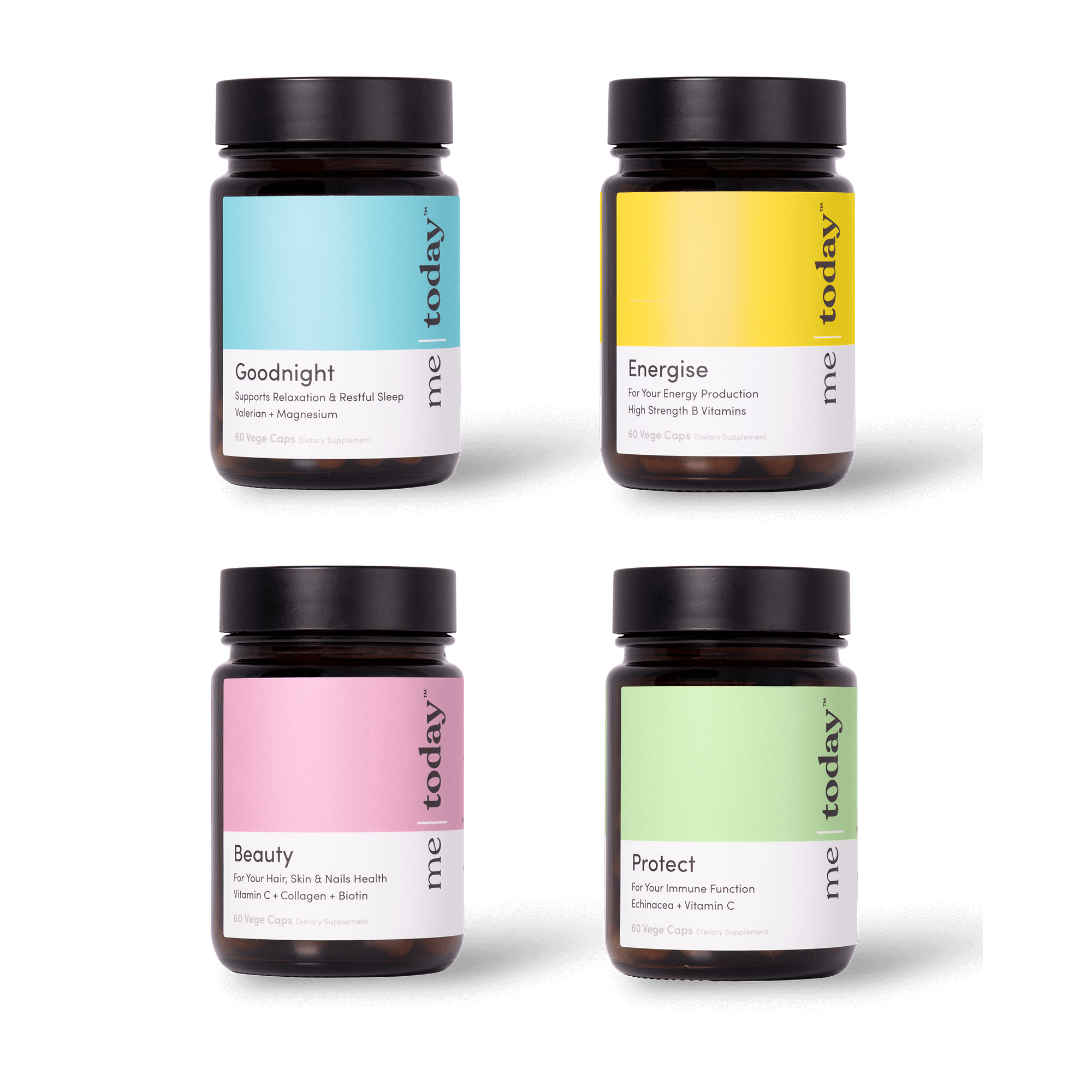
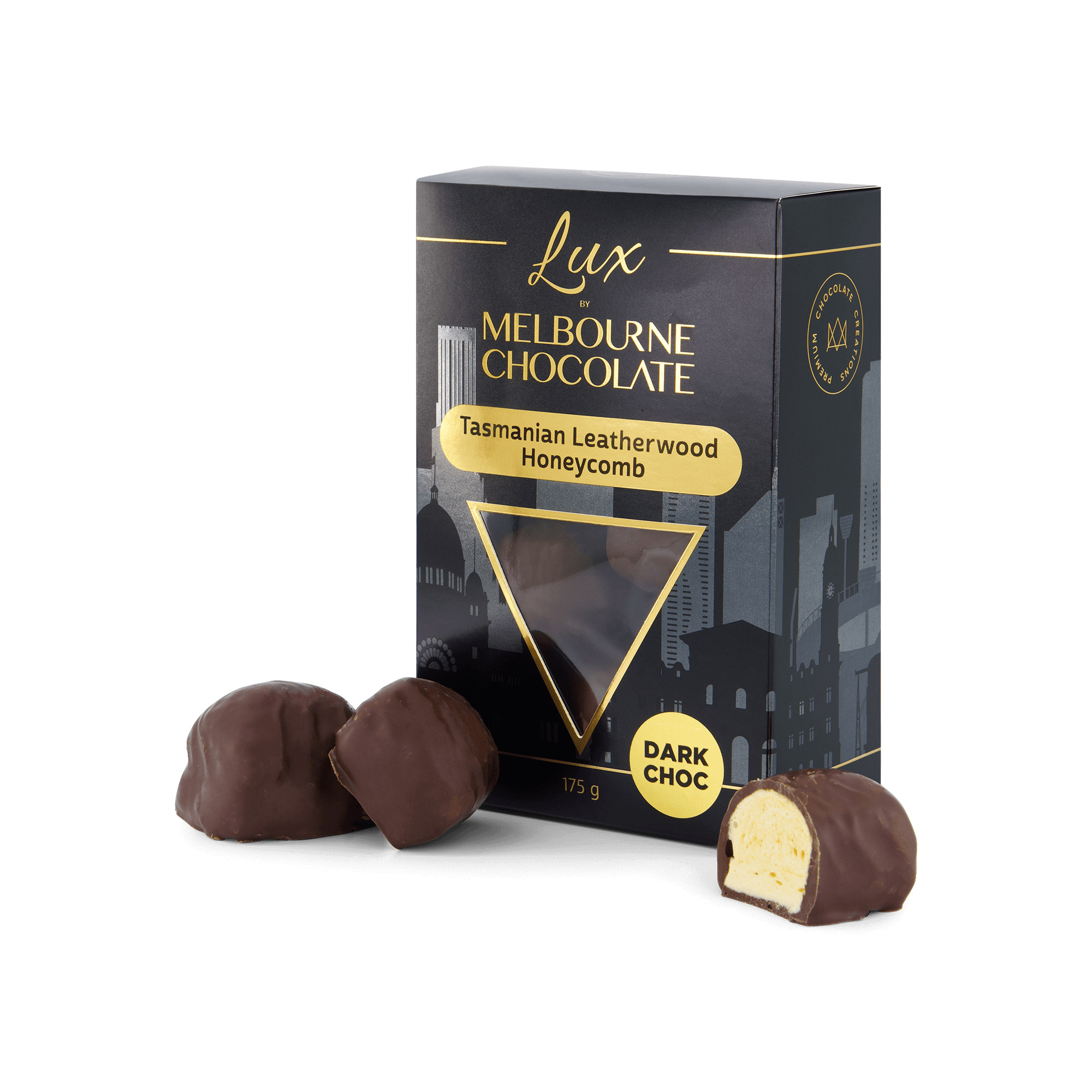
Electronics, homewares, health and beauty, food and beverage, and DIY and hardware products often need a different approach:
Through our experience working with marketplace customers, we produce a range of video treatments based on the product category and the questions a shopper is likely to have.
A fashion item may need movement and fit. An electronic product may benefit from a clear demonstration of how it works, what is included and why its features matter. Homewares, health and beauty, and food and beverage products may need closer detail, application, texture, preparation or packaging information.
For DIY and hardware products, the customer may need to understand scale, materials, compatibility, assembly or how the product is used. A clear How To, Show Me or Unbox Me video can answer these questions far more effectively than a written description alone.
The purpose of the content is the same in every case. It should remove uncertainty and help the customer make a more informed decision.
Fashion and on model
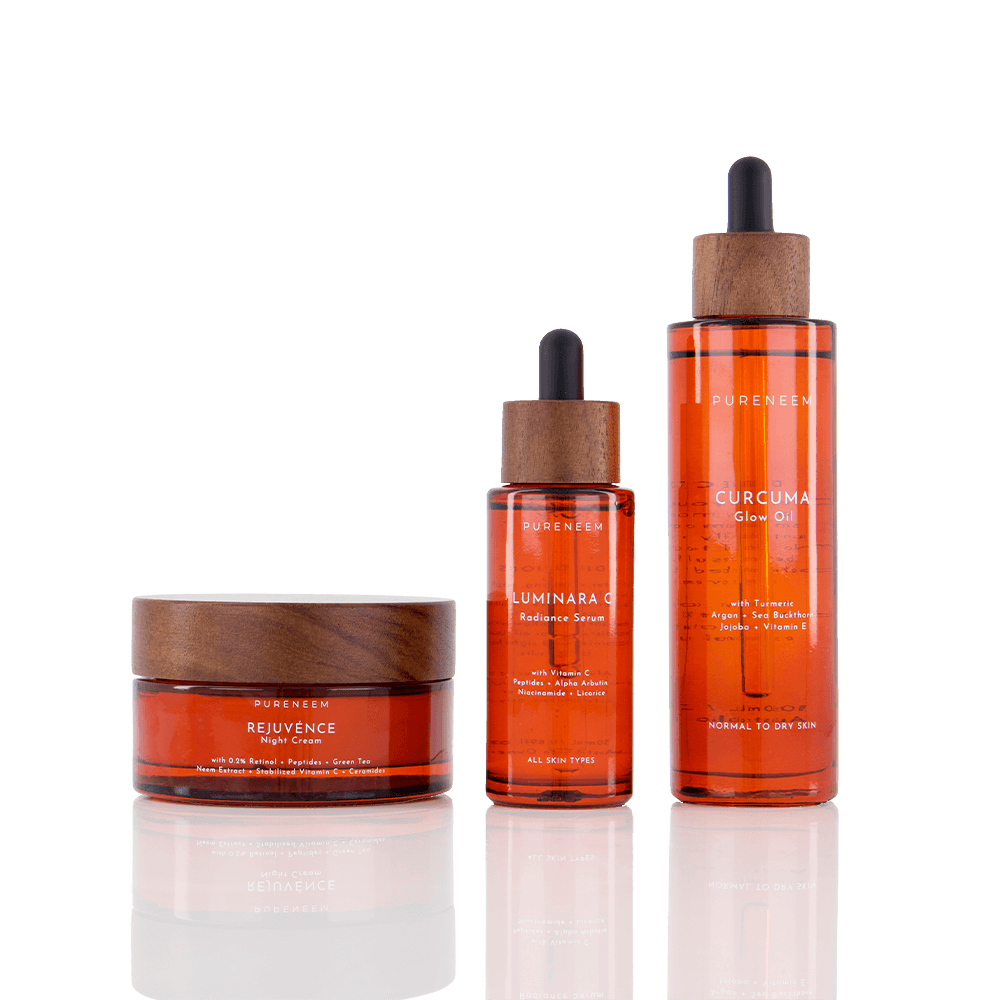
Health and beauty
Food and beverage
Pharma and medical
Pet
In our recent piece on how video drives conversion, we shared the results one of our brands experienced after adding video captured on our Live machine.
When customers can see and understand a product more clearly, they can purchase with greater confidence.
The opportunity now is to think beyond the requirements of one website or marketplace. A product may need to appear on a brand's own ecommerce site, across wholesale and retail partners, on marketplaces, in paid advertising, on social media and within AI supported shopping experiences.
Each channel has its own requirements, but the product still needs to look accurate and consistent wherever it appears.
Rather than planning separate shoots for each output, brands can build a strong library of source assets and adapt them for different formats. The same production can support PDP imagery, marketplace content, social media, paid campaigns and wholesale customers.
High quality source photography can also provide the foundation for AI augmentation. Once a product has been captured accurately from the right angles, those assets can be used to create additional lifestyle imagery, campaign variations and digital content while protecting important product details.
For us, AI works best when it starts with a reliable and accurate source.

Asset Factory has been creating ecommerce content for more than a decade. During that time, the number of channels, formats and assets required for every product has continued to grow.
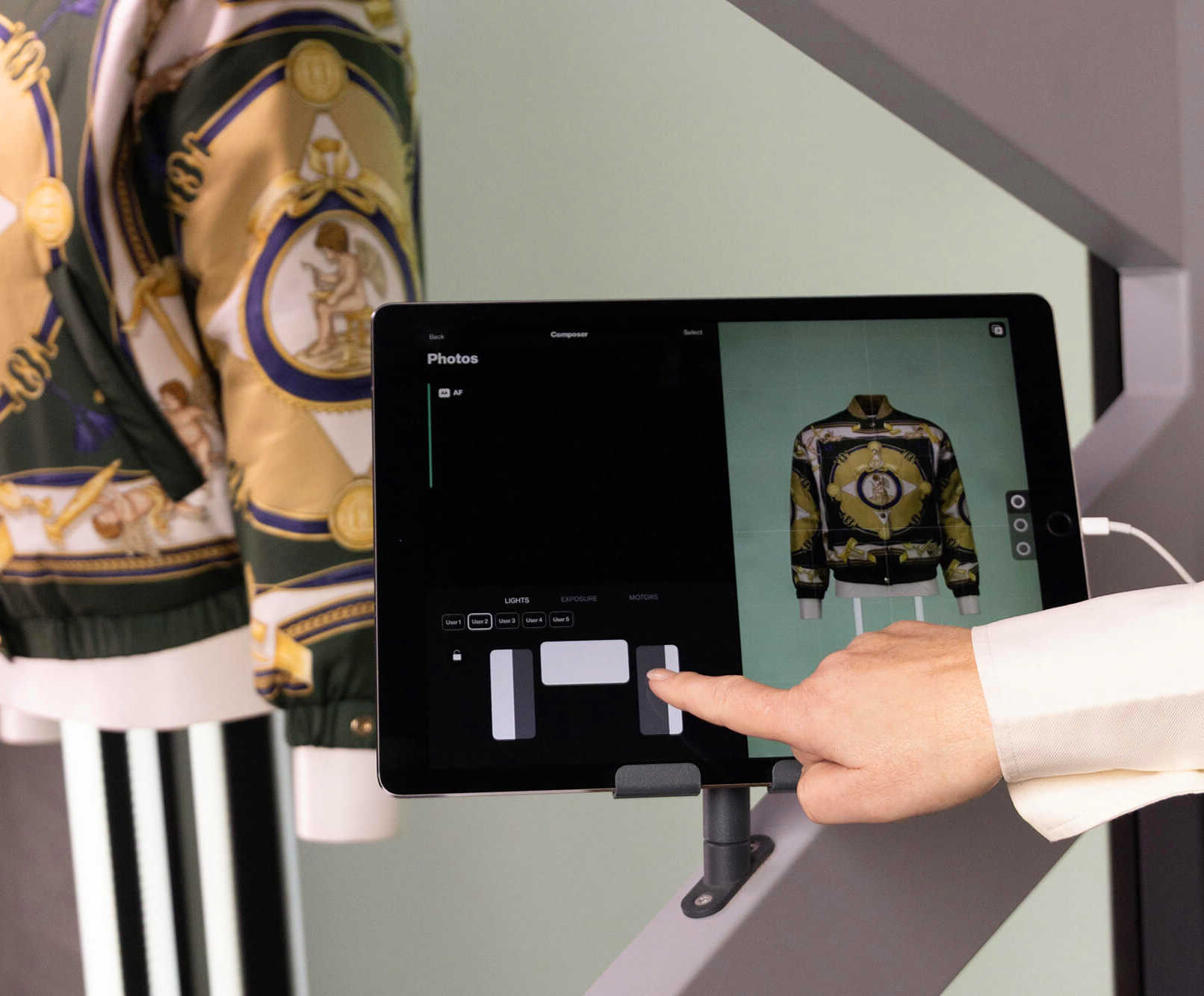
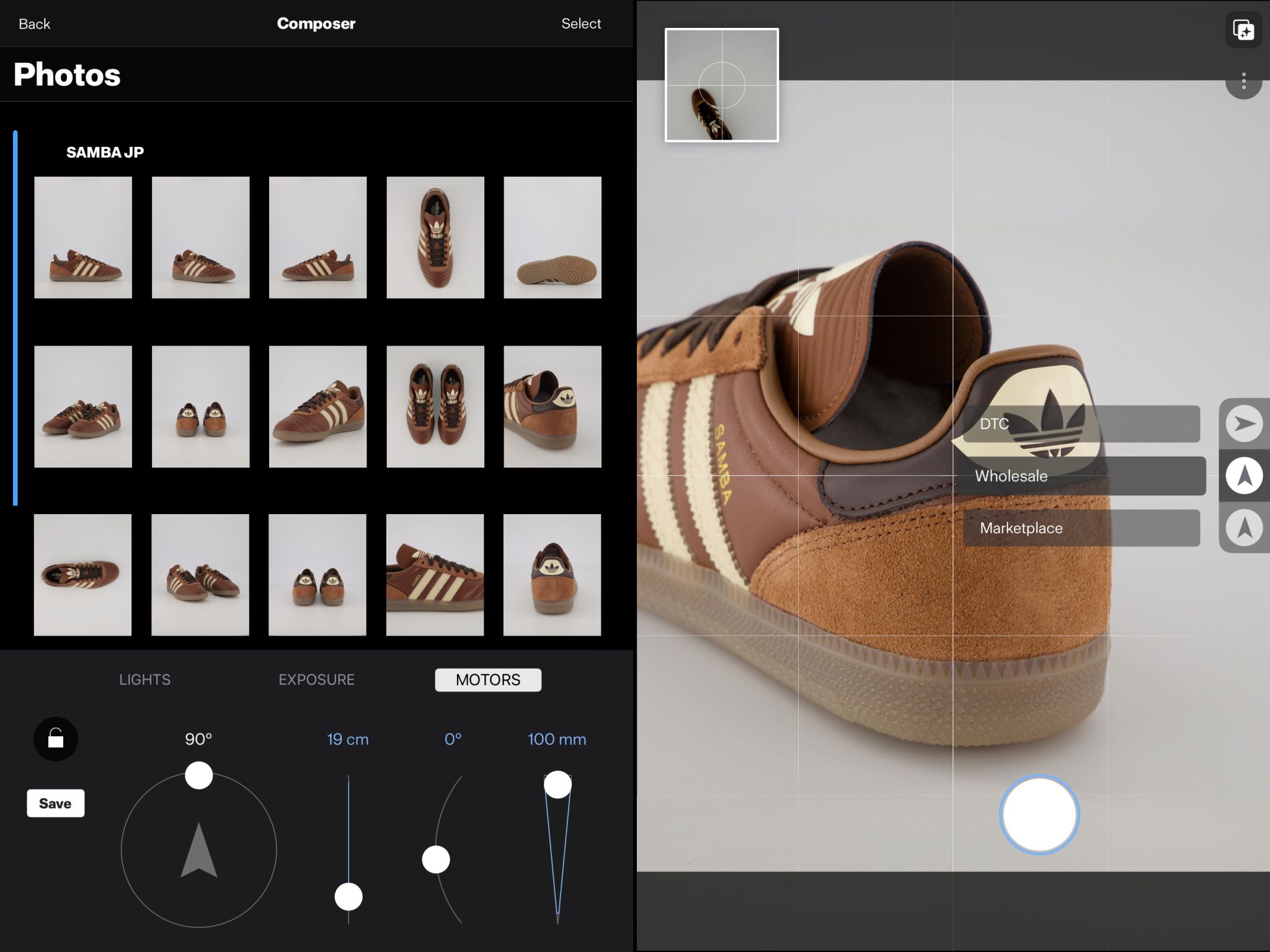
Our Auckland and Melbourne studios use Profoto automated studio solutions to capture high quality stills and short form video efficiently and consistently. Our Live and Eclipse studios allow us to move between photography and video within the same production setup, helping brands get more value from each shoot.
Our technology supports a wide range of categories, including fashion, accessories, electronics, homewares, health and beauty, food and beverage, DIY and hardware, footwear, pharma and medical, pet and general merchandise.
Our services include:
Brands can send products to our team and have us manage the production process, or book our automated studios through DIY Studio Hire when they want to take a more hands on approach.
The technology helps us work efficiently, but knowing what to create comes from experience.
Our team understands the different needs of brand ecommerce teams, retailers, wholesalers and marketplaces. We can look at a product range, consider where it will be sold and help plan the right mix of content from the beginning.
With studios in Auckland and Melbourne, we support brands across New Zealand and Australia while keeping content consistent across both markets. Our technology also allows us to produce assets in line with the requirements of global ecommerce platforms and marketplaces.
No one needs to predict exactly how every AI shopping tool will develop. The practical place to start is with the quality and completeness of your current product content.
Look at your PDPs and ask:
AI may change how a product is discovered, but the fundamentals of a good PDP remain the same. Customers need clear information, accurate imagery and enough detail to feel confident about what they are buying.
The brands that prepare for this now will be in a stronger position as ecommerce moves into its next phase.
Asset Factory can help you plan and create the stills, short form video, descriptive product content and AI ready source imagery your product range needs.
Contact our Auckland or Melbourne team to discuss your next ecommerce content project.
Contact today to discuss how we can help transform your ecommerce content and boost your conversion rates.